
The Fentanyl Analog Trap: How New 2026 Sentencing Guidelines Impact "Unintentional" Possession
Sept. 21, 2026
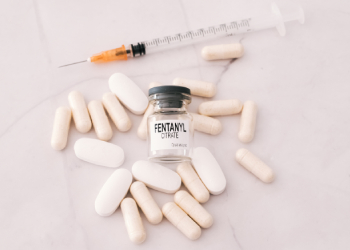 Finding out that a pill or powder you had on you wasn't what you thought it was, and that it's now the reason you're facing a federal charge, can turn your entire life upside down. You didn't set out to break the law, and that distinction matters to you even if it feels like no one else is asking about it.
If you've been charged with possessing a fentanyl analog you didn't know was in what you had, the new 2026 sentencing guideline changes make this an especially difficult time to face that charge without solid legal guidance.
I'm Attorney James B. Bennett, and I help people build a defense around what they actually knew, not just what a lab test found. Based in El Dorado, Arkansas, I serve clients throughout South Arkansas who are caught in this kind of unintentional possession case. Reach out to me today so I can review the specifics of your charge with you.
What Makes a Substance a Fentanyl Analog Under the Law
A fentanyl analog is a substance built to mimic fentanyl's chemical structure or its effects, close enough that federal law treats it the same as fentanyl itself for charging purposes, even when it's technically a different compound.
New analogs appear on the market faster than lawmakers can name them individually, so the law is written broadly enough to cover substances that haven't even been specifically scheduled yet, as long as they're similar enough in structure or effect to something that already is.
That breadth creates problems for people who never intended to possess anything illegal. A pressed pill bought as one thing can actually contain a fentanyl analog that nobody involved in the sale, including the person who ends up holding it, necessarily knew was there.
How the 2026 Sentencing Guideline Changes Raise the Stakes
Sentencing guideline updates that took effect in 2026 expanded how fentanyl-related substances are calculated for sentencing purposes, treating them with the same drug-quantity conversion already used for fentanyl analogs.
Under that conversion, a single gram of the substance is treated as the equivalent of ten kilograms of a lower-schedule drug when calculating an offense level, which means even a small amount can push a case into a much higher sentencing range than the physical quantity would suggest on its own.
The same update also expanded an enhancement that increases sentences when someone knowingly misrepresents fentanyl as a different drug, extending it to cover fentanyl-related substances as well.
Alongside that, the guidelines now include a narrow way to push back: a defendant can argue the specific substance either blocks fentanyl's effects or is meaningfully less potent, though proving that usually requires testimony from an outside pharmacologist, which isn't cheap or simple to arrange on short notice.
Why "I Didn't Know" Isn't Automatically Enough
The Supreme Court has already weighed in on how much knowledge the law actually requires in these cases. Under that ruling, prosecutors have to show either that you knew the substance was treated as a controlled analog, or that you knew its chemical or physical effects matched a controlled substance, even if you had no idea what its legal status was.
In practice, prosecutors often build their knowledge argument from circumstantial details rather than a confession: how the substance was packaged, what you paid for it, prior conversations, or even how you reacted when questioned. None of that proves you actually knew what you had, but it can be enough to get a case in front of a jury.
It's also worth remembering that knowledge doesn't have to mean knowing a substance's exact legal name. Prosecutors can meet their burden by showing you knew the general nature of what you had, even if you never heard the specific term "fentanyl analog" before your arrest.
Building a Defense Around What You Actually Knew
A strong defense in an unintentional possession case usually centers on rebuilding the full picture of what you knew, when you knew it, and how you got the substance in the first place. Evidence that tends to matter most includes:
Purchase history: Records or messages showing what the substance was represented as when you obtained it.
Packaging and labeling: Photos or physical evidence of how the substance looked and was sold.
Statements to others: Texts or conversations where you described the substance consistent with what you believed it was.
Lab and toxicology reports: Independent testing that can clarify exactly what was present and in what amount.
None of this evidence guarantees an outcome on its own, but together it can support the argument that this was genuinely unintentional possession rather than a case where you simply hoped no one would notice.
An experienced lawyer knows how to gather this evidence quickly, before memories fade and records disappear. Waiting even a few weeks can mean a phone gets a new owner, a seller can no longer be located, or a receipt is simply gone, so acting early is often just as important as the substance of the defense itself.
Facing an Unintentional Possession Charge Without Facing It Alone
A fentanyl analog charge tied to unintentional possession puts you in a strange position: You're being sentenced under rules built for intentional trafficking, for something you may not have even known you had. The 2026 guideline changes make that gap even more consequential than it used to be, since a small amount of the wrong substance can now translate into a sentencing range that looks like it belongs to a much larger case.
At James B. Bennett Law Office, I've built my practice around defending people in this exact position, where what someone actually knew matters more than a lab report alone. Located in El Dorado, Arkansas, I serve clients throughout all of South Arkansas. If you're dealing with a fentanyl analog charge right now, contact me today.