
What Is Constructive Possession in a Drug Case?
Sept. 1, 2026
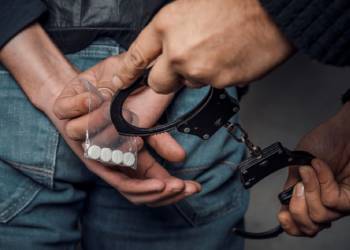 Facing criminal charges tied to illegal substances creates immense anxiety and uncertainty for anyone. When law enforcement gets involved, you might find yourself dealing with scary terminology, high bail amounts, and the heavy stress of potential penalties that could alter your life forever.
It's frightening when you're accused of owning something that wasn't even on your person or in your pockets at the time of an arrest. I know how stressful this situation feels, and you shouldn't have to face the legal system alone without proper guidance.
At James B. Bennett Law Office, I work tirelessly to protect your rights, review every piece of evidence, and build a strategic defense against serious allegations. Based in El Dorado, Arkansas, I serve clients throughout South Arkansas facing difficult legal battles. If you're currently facing criminal allegations, reach out today to start crafting your criminal defense.
Actual Possession Versus Constructive Possession Explained
When prosecutors bring charges involving drug crimes, they rely on two main legal theories: actual possession and constructive possession. Most people assume an arrest requires finding illegal contraband directly in your hands or pockets. However, the law also penalizes secondary forms of control, meaning you can face severe charges even without physical contact with the prohibited items.
In court, actual possession means having direct physical control over a substance on your person. Constructive possession applies when you don't physically hold the substance but have the power and intent to control it. Joint possession occurs when multiple people share control and access over a shared location where illegal substances are found.
Distinguishing between these legal definitions is crucial when building a strong defense against drug crimes. Because constructive possession relies heavily on circumstantial evidence, a skilled legal advocate can often challenge the prosecution's assumptions regarding who truly controlled the property. Reach out if you need immediate help evaluating the specific facts of your recent arrest.
Key Elements Prosecutors Must Prove in Constructive Possession Charges
Prosecuting constructive possession isn't as straightforward as proving actual physical custody. To secure a conviction for drug crimes, the state must establish specific legal criteria beyond a reasonable doubt rather than relying on suspicion or mere proximity alone.
Knowing what prosecutors must demonstrate gives you a clearer picture of how I approach dismantling their claims during court proceedings. The prosecution must establish several core components to support a charge of constructive possession:
Knowledge of the presence: The prosecution must prove you were fully aware that the illegal substance was in that specific area, rather than completely oblivious to its existence.
Control over the area: Prosecutors must show you had dominant authority or access to the place where officers discovered the prohibited items, such as a vehicle, home, or storage unit.
Intent to exercise control: The state must establish that you intended to guide or control the illicit items, rather than simply standing near them by accident or chance.
If the prosecution fails to establish even one of these mandatory elements, their case against you quickly collapses. Defending against drug crimes requires demonstrating that physical proximity alone doesn't equal control or knowledge. Reach out to my firm so I can evaluate the evidence against you and challenge the prosecutor's claims.
Common Situations Where Constructive Possession Allegations Arise
Constructive possession charges frequently stem from everyday situations where multiple people share space or vehicles. Officers often make broad assumptions during traffic stops or searches, arresting everyone present rather than investigating true ownership.
Common scenarios leading to charges for drug crimes include shared vehicles, multi-tenant apartments, and borrowed property. During traffic stops, contraband found in a glove box or center console often results in charges for every passenger.
In shared apartments, items found in common areas like kitchens frequently trigger arrests for all roommates. Likewise, driving a borrowed car or staying at a friend's house can expose you to prosecution if illegal items were left hidden inside.
Being in the wrong place at the wrong time shouldn't destroy your future. Challenging these assumptions requires an experienced lawyer who can highlight the lack of a direct connection between you and the discovered items. Contact me to discuss your situation and protect your freedom.
Criminal Defense Strategies Against Constructive Possession Allegations
Defending against constructive possession charges requires scrutinizing police behavior, search protocols, and witness credibility. Because these charges rely on circumstantial evidence rather than direct physical possession, I can raise key legal defenses to challenge the state's case. Effective criminal defense strategies typically center on:
Lack of knowledge: Proving you were completely unaware illegal substances were hidden in the area.
Lack of exclusive control: Demonstrating that multiple people had access to the space, making ownership uncertain.
Unlawful search and seizure: Challenging whether officers had probable cause or a valid warrant.
I examine body camera footage, witness statements, and police procedure to uncover constitutional violations or evidentiary gaps that can lead to reduced or dismissed drug crime charges. Reach out to us today to start building your defense.
Finding Compassionate Support for Your Criminal Defense Case
A constructive possession charge can feel intimidating, but an arrest isn’t the same as a conviction. The state carries a heavy burden of proof, and you have the right to challenge every assertion made by law enforcement officers and prosecutors.
Having strong legal representation from an experienced criminal defense attorney is critical. You need to make sure your story is heard, and your rights remain protected at every stage of the criminal defense process.
At James B. Bennett Law Office, I understand the stress, fear, and personal toll that charges involving drug crimes take on you and your family. Based in El Dorado, Arkansas, I serve clients throughout South Arkansas who need dedicated legal support during challenging times. Reach out today to schedule a confidential consultation and learn how I can help protect your rights.