
Autonomous Ambiguity: Who Is the "Operator" in a DUI Case Involving Level 3 Self-Driving Tech?
Sept. 1, 2026
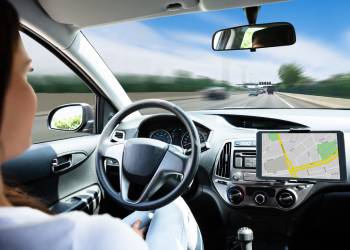 Getting pulled over by police officers is a frightening situation under any circumstances, but it becomes far more confusing when your vehicle was driving itself. You might have believed you were doing the responsible thing by letting your car's automated driving system take control, only to find yourself sitting in the back of a patrol car.
As an experienced criminal defense attorney, I recognize how frustrating this experience is. You shouldn't have to face these confusing charges without strong support. At James B. Bennett Law Office, I work diligently to protect your rights, challenge questionable police procedures, and examine cutting-edge vehicular evidence.
Based in El Dorado, Arkansas, I serve clients throughout South Arkansas who need reliable guidance after an unexpected arrest. If you're dealing with a complicated traffic arrest, reach out today so I can begin building your case.
Level 3 Automation and the Legal Definition of Operating
Vehicles equipped with Level 3 conditional automation blur traditional legal definitions because they handle active driving tasks like steering, accelerating, and braking under specific conditions without constant physical input. Because legacy state statutes were written long before autonomous vehicles, officers often struggle to determine who was actually driving.
Evaluating a DUI arrest requires looking at how traditional laws clash with automated technology. Statutes often define an operator as anyone in the driver's seat with the ignition on, even if the system was engaged. Furthermore, questions persist about how much reaction time drivers are legally allowed during a mandatory system takeover.
Fortunately, modern vehicle telemetry logs precise data showing exactly when automated functions were active, providing critical technical evidence to challenge claims of physical control. Contact my firm today to analyze your vehicle's records and protect your rights.
Unique Legal Challenges in Automated Driving Arrests
When law enforcement officers pull over a vehicle utilizing autonomous features, they frequently apply outdated assumptions to a novel situation. Officers are trained to look for physical signs of impairment during standard driving, such as swerving or delayed reactions at traffic lights.
However, when software handles steering and speed adjustments, those classic indicators may reflect system glitches or mapping errors rather than human intoxication. Several factors create significant confusion during arrests involving self-driving features:
Unclear takeover windows: If a system suddenly disengages and requires human intervention, an officer might misinterpret a brief delay as impaired reaction time rather than system transition.
Misattributed vehicle behavior: Swerving caused by bad lane markings or software recalibration is often blamed on driver impairment without investigating vehicle logs.
Inconsistent field sobriety tests: Standardized physical tests don't prove you were actively operating the vehicle while the automated system was engaged.
Distinguishing software actions from driver behavior requires careful legal scrutiny. Without proper investigation, innocent drivers can face serious criminal consequences because law enforcement may be unfamiliar with advanced vehicle technology. Contact me so I can review the details of your traffic stop.
Evidentiary Elements Necessary to Challenge Tech-Driven Arrests
Building a solid criminal defense in an automated driving case requires looking far beyond standard breathalyzer results or field sobriety tests. I must examine the digital footprint left by your car's internal computer to determine whether the software was legally in control at the exact moment officers initiated the stop.
Securing this digital evidence quickly before it gets overwritten or deleted is vital to your defense. A thorough legal investigation into automated vehicle arrests typically involves several key evidence sources:
Internal vehicle log files: Data records show the precise second automated driving features were activated, engaged, or turned off by the driver.
Dashcam and sensor recordings: Exterior camera feeds and sensor data provide proof of road conditions, lane markers, and vehicle performance prior to the stop.
Manufacturer system diagnostics: Factory diagnostic reports help reveal whether software errors, sensor failures, or recall issues contributed to unusual driving behavior.
Uncovering this technical evidence can completely change the direction of your case. An experienced lawyer can subpoena vehicle manufacturers, work with digital forensics experts, and challenge prosecutor assertions that you were actively driving. Contact me to discover how I can uncover vital evidence for your criminal defense.
Building Strategic Defense Arguments in Modern Traffic Cases
When fighting charges involving Level 3 technology, a successful criminal defense strategy must directly challenge the state's definition of "operating" a motor vehicle. If the car's automated system was performing all tactical driving functions, it will be harder for the state to prove you exercised actual physical control as intended by criminal statutes.
Highlighting this legal ambiguity creates powerful opportunities to push for reduced charges or case dismissals. Effective strategies for challenging automated vehicle charges often center on several core arguments:
Lack of actual physical control: Demonstrating that the automated system was actively managing steering, braking, and speed without human input when officers observed the vehicle.
Lack of reasonable suspicion: Proving that the vehicle's driving behavior was caused by software maneuvers rather than driver impairment, making the initial traffic stop unlawful.
Insufficient reaction time: Showing that any delay in taking over manual control stemmed from the system's sudden disengagement rather than alcohol or drug impairment.
Every detail surrounding your stop matters when demonstrating that technology—not human error—was responsible for the vehicle's actions. Presenting clear technical proof disrupts the prosecution's assumptions and protects your record from undeserved criminal convictions. When you work with my firm, I’ll help you build a tailored legal response.
Empathetic Criminal Defense for Unclear Technology Charges
Being accused of driving under the influence while relying on automated safety features creates immense personal stress, but an arrest doesn't mean you’ll be convicted. You have the right to challenge the state's evidence and demand a clear, factual demonstration of who was truly operating the vehicle.
At James B. Bennett Law Office, I understand the fear and uncertainty that comes with facing novel criminal allegations. Based in El Dorado, Arkansas, I serve clients throughout South Arkansas who need dedicated support and strategic criminal defense during difficult legal battles. Reach out today to schedule a confidential consultation.