
What Happens If You Refuse a Breathalyzer During a DWI Stop?
Dec. 1, 2025
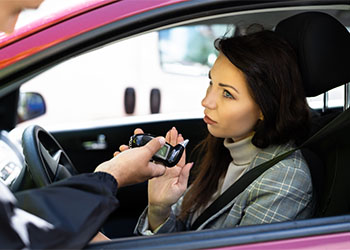 Being pulled over for a DWI can be stressful and intimidating. Even if you weren’t intoxicated, the moment of a traffic stop can make you feel trapped or unsure of what to do. Refusing a breathalyzer in Arkansas may seem like a minor decision, but it can carry serious consequences that affect your driving privileges and potential charges.
If you’re in this situation, it’s normal to feel anxious and uncertain about the next steps. You don’t have to go through it alone, and knowing what could happen if you refuse a breathalyzer can help you make informed decisions.
At James B. Bennett Law Office, I assist clients across Arkansas who are facing DWI charges or related issues. I provide guidance and support to help them understand their rights and legal options. By breaking down what happens during a DWI stop and the consequences of refusing a breathalyzer, I aim to give you clarity in a stressful situation.
How Implied Consent Shapes Your Options
Arkansas has an implied consent law, which means that by driving a vehicle, you agree to submit to chemical tests if law enforcement suspects you of driving while intoxicated. Refusing a breathalyzer test can trigger consequences under this law, regardless of whether you were impaired.
Key points about implied consent include:
Automatic consequences: Refusing a breathalyzer can result in an automatic suspension of your driver’s license.
Duration of suspension: The length of the suspension may depend on whether it’s your first refusal or a repeated offense.
Ignition interlock requirement: In some cases, you may be required to use an ignition interlock device before regaining full driving privileges.
Evidence in court: Your refusal can be used as evidence against you in a DWI case.
Understanding implied consent helps you see why law enforcement takes refusal seriously. I guide clients through these legal nuances to help them minimize long-term consequences and develop strategies to defend their rights in court.
Immediate Effects After Refusing a Breathalyzer
Refusing a breathalyzer can carry immediate and tangible consequences, especially when law enforcement follows Arkansas protocols.
Some immediate effects may include:
License suspension: Your driver’s license can be suspended for a set period, which could affect your daily life and responsibilities.
Fines and administrative fees: Refusing a test often comes with financial penalties in addition to potential criminal charges.
Court notifications: Law enforcement must notify the court, and you may have to appear in court to address the refusal.
Impact on bail: In some cases, refusing a breathalyzer may influence bail decisions or increase scrutiny from law enforcement.
Even if you haven’t yet faced a DWI charge, refusing a breathalyzer sets in motion a series of legal steps. I help clients understand these consequences and prepare for the process that follows to protect their driving privileges and rights.
How Refusal Can Complicate a DWI Case
Refusing a breathalyzer doesn’t automatically mean you’ll be convicted of a DWI, but it can complicate your case. Prosecutors may use your refusal as part of their argument, and judges often consider refusal when assessing credibility or behavior.
Ways refusal can impact a case include:
Evidence against you: Prosecutors may argue that refusal implies guilt or consciousness of impairment.
Stronger penalties: Judges may impose longer license suspensions or stiffer fines based on refusal.
Limited defense options: Without a breathalyzer reading, some defenses related to specific blood alcohol content (BAC) may be harder to pursue.
Insurance consequences: Refusal may be reported to insurance providers, potentially affecting rates or coverage.
While refusal adds challenges, it doesn’t mean your case is lost. I help clients build legal strategies that address these issues and seek the best possible outcome under DUI law.
What Happens During an Administrative Hearing
After a refusal, the Arkansas Department of Finance and Administration (DFA) typically initiates an administrative hearing to determine whether your license will be suspended. These hearings are separate from any criminal DWI proceedings but are closely connected.
Key aspects of administrative hearings include:
Opportunity to present evidence: You can provide testimony or documentation to explain your refusal.
Duration of suspension: First-time refusals may carry shorter suspensions than repeat offenses.
Hearing timelines: There are strict deadlines for requesting a hearing after a refusal, which must be observed.
Legal representation: Having an attorney can help you make a clear, persuasive case to the DFA.
I assist clients by preparing them for these hearings, gathering evidence, and presenting arguments that focus on minimizing license suspension and related penalties.
Comparing Breathalyzers To Other Chemical Tests
A breathalyzer is one of several chemical tests law enforcement may request during a DWI stop. Understanding the differences can help clarify your rights and options.
Comparisons include:
Blood tests: Often considered more accurate than breath tests, but require medical personnel to administer.
Urine tests: Typically used to detect drugs rather than alcohol, and results may take longer to process.
Field sobriety tests: Physical tests performed at the roadside that assess balance, coordination, and reaction times.
Knowing the distinctions between these tests helps clients understand why refusal of one test may have different consequences than refusal of another. I guide clients on how each type of test could affect their DWI case and potential penalties.
Long-Term Effects of Refusing a Breathalyzer
Refusing a breathalyzer doesn’t just affect the immediate situation; it can have long-term consequences that influence driving privileges, insurance, and legal standing.
Potential long-term effects include:
Extended license restrictions: Additional limitations may be applied when reinstating your driving privileges.
Higher fines for future violations: Refusal may result in more severe penalties if future DUI charges occur.
Insurance implications: Refusal can be reported to insurance providers, potentially increasing premiums or limiting coverage.
Criminal record impact: Even without a DWI conviction, refusal can appear in public records and affect employment or legal opportunities.
Being aware of these consequences allows clients to plan carefully and take proactive steps to address both immediate and future implications. I help clients understand these long-term effects and develop strategies to minimize them.
Common Mistakes To Avoid During a DWI Stop
During a DWI stop, your actions can have lasting consequences. Avoiding common mistakes can protect your rights and reduce legal complications.
Some mistakes to avoid include:
Admitting impairment: Making statements that imply intoxication can be used against you.
Arguing with officers: Confrontation can escalate the situation and complicate your defense.
Refusing improperly: Failing to follow procedures for refusal may worsen legal outcomes.
Delaying hearings: Missing deadlines for administrative hearings can lead to automatic penalties.
Ignoring documentation: Not keeping copies of citations, warnings, or other relevant paperwork can limit defense options.
Avoiding these mistakes gives clients a stronger starting point when addressing DWI charges. I work with clients to guide them on proper conduct during traffic stops and the next steps afterward.
Protecting Your Driving Privileges in Arkansas
By knowing how Arkansas law treats refusals and what steps can be taken afterward, you’re better prepared to protect your rights. At James B. Bennett Law Office, I help clients in El Dorado and throughout South Arkansas handle these situations, gather evidence, and defend their driving privileges.
If you’re facing a DWI stop or have already refused a breathalyzer, don’t wait to take action. I can help you understand what comes next, develop strategies for hearings, and explain how DUI law may affect your case. Your future and your driving privileges deserve careful attention, and I’m committed to guiding you through every step. Call today.